
Tree Pruning
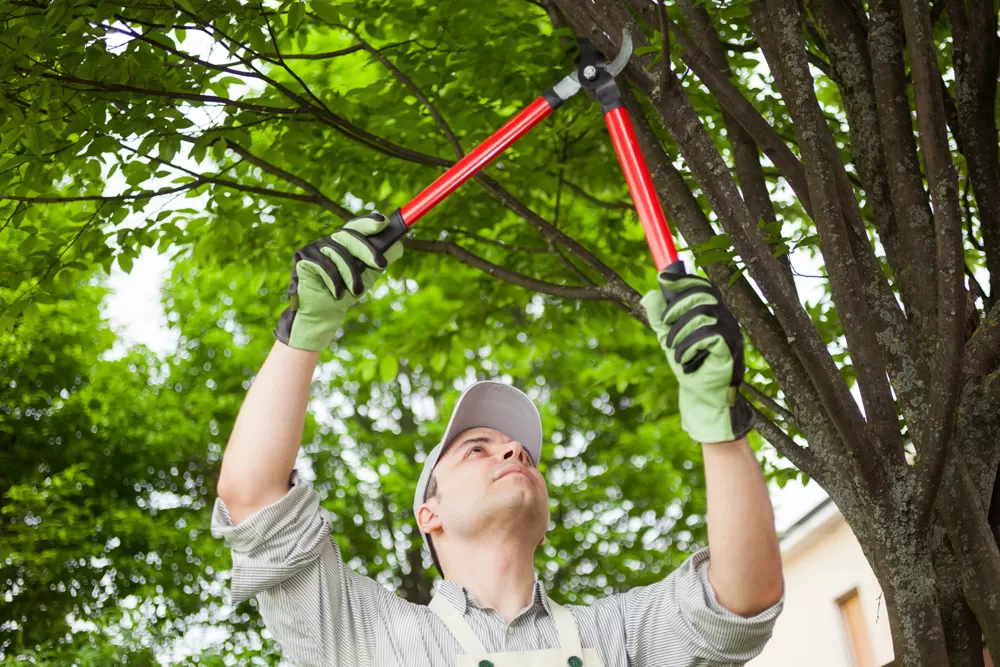
Structural tree pruning guided by load balance, growth patterns and safety
Trees need more than occasional cutting — they need thoughtful pruning to remain healthy, balanced, and resilient over time.
At A1 Tree Pros, we focus on preserving natural form, correcting structural weaknesses, and strengthening overall canopy stability — not just making surface-level cosmetic cuts.
Your trees are long-term assets. Strategic pruning supports healthy growth and helps prevent costly storm-related damage.
We provide professional tree pruning in Frederick MD and surrounding communities including Potomac and Urbana.
The Difference Between Tree Pruning and Tree Trimming
Many homeowners use the terms interchangeably, but there is a difference.
Tree trimming often refers to surface-level shaping or appearance-based cutting.
Tree pruning is a structured process designed to improve branch architecture, remove structural defects, reduce limb failure risk, improve airflow, and support long-term canopy health.
Pruning is performed with long-term growth patterns in mind — not just immediate appearance.
Why Tree Pruning in Frederick MD Requires Experience
Trees in Frederick, Potomac, and surrounding communities face heavy spring rainfall, summer drought stress, winter ice loading, and sudden wind events.
Weak branch unions, competing leaders, and poorly distributed canopy weight increase the likelihood of limb failure during storms. Strategic pruning reduces that risk and corrects structural issues before they become hazards.
Our Approach to Professional Tree Pruning
Every pruning project begins with a structured evaluation that includes species identification, canopy balance assessment, deadwood inspection, and risk observation.
No random cutting. No over-thinning. No topping.
Every cut is intentional.
Types of Tree Pruning We Perform
Structural Pruning
Structural pruning focuses on developing strong branch architecture, especially in younger trees. We address co-dominant stems, crossing branches, weak attachment angles, and competing leaders to reduce long-term structural weakness.
Canopy Thinning
Selective thinning improves airflow and reduces weight load without compromising the tree’s natural shape. Controlled thinning reduces wind resistance and improves light penetration while preserving canopy strength.
Deadwood Removal
Removing dead or decaying branches reduces hazard risk and helps prevent falling limbs. Deadwood is often the first indicator of stress and should be addressed proactively.
Clearance Pruning
We provide clearance pruning to lift branches over driveways, improve visibility near streets, reduce roof contact, and maintain safe distance from structures without compromising structural stability.
Common Tree Species We Prune in Frederick and Potomac
Different species respond differently to pruning. In Central Maryland, we frequently prune Red Oak, White Oak, Tulip Poplar, Silver Maple, Dogwood, Eastern Redbud, Leyland Cypress, and Arborvitae.
Understanding species-specific growth patterns prevents improper cuts that can lead to decay or instability.
When Tree Pruning Is Necessary
Consider scheduling professional pruning if you notice large dead branches, rubbing limbs, uneven canopy weight, cracks at branch unions, limbs overhanging structures, or rapid vertical growth after storms.
Routine pruning every 18–24 months maintains canopy balance and reduces emergency situations.
The Risk of Improper Pruning
Improper pruning can cause long-term damage. Topping trees, removing excessive canopy, making flush cuts, leaving stubs, or over-thinning creates decay entry points and weak regrowth.
Professional pruning preserves the tree’s natural growth habit and long-term stability.
Tree Pruning as Part of Plant Health Care
Pruning is often integrated into a broader plant health strategy. Reducing canopy stress improves air circulation, disease resistance, structural balance, and root-to-canopy energy distribution.
In some cases, pruning combined with deep root injections strengthens overall resilience.
Safety-First Pruning Practices
Tree pruning involves elevated cutting positions, climbing systems, and controlled lowering techniques. We follow strict safety protocols to protect your property, surrounding landscape, and our crew.
Preserving Mature Trees Through Structured Pruning
Mature trees represent decades of growth and substantial landscape value. Routine structural pruning extends lifespan, reduces hazard risk, and protects your property investment.
Preventative pruning is significantly less disruptive than emergency storm response.
Serving Frederick, Potomac, and Central Maryland
A1 Tree Pros provides professional tree pruning services throughout Frederick, Potomac, Urbana, Middletown, Walkersville, Ijamsville, Monrovia, Bethesda, Columbia, and surrounding communities.
We understand local soil conditions, growth patterns, and seasonal stress factors that influence pruning strategy.
How Often Should Trees Be Pruned?
For most mature trees in Central Maryland, structured pruning every 18–24 months maintains canopy balance and reduces the likelihood of storm-related limb failure.
Growth rate, species, and surrounding environmental conditions all influence timing. Fast-growing species may require more frequent maintenance, while slow-growing hardwoods may need less frequent structural correction.
Consistency is more important than aggressive cutting. Routine maintenance pruning prevents the need for severe corrective pruning later.
Storm Damage Prevention Through Proactive Pruning
Many emergency tree situations originate from neglected structural issues. Heavy limbs, co-dominant stems, and overextended branches are more likely to fail during high winds or ice events.
Strategic pruning reduces canopy weight and improves load distribution throughout the tree.
By correcting structural weaknesses before severe weather, proactive pruning reduces liability risk and protects surrounding structures.
The Long-Term Value of Professional Pruning
Mature trees increase property value, improve curb appeal, provide shade, and enhance overall landscape aesthetics.
Preventative pruning protects that investment by extending tree lifespan and reducing the likelihood of premature removal.
Compared to emergency removal or structural failure repairs, scheduled pruning is significantly less disruptive and more cost-effective.
Proper Pruning Techniques Matter
Professional pruning follows industry standards designed to preserve tree health and structural integrity.
Improper cuts can introduce decay, create weak regrowth, and shorten a tree’s lifespan.
We follow recognized pruning practices that respect branch collars, natural growth patterns, and species-specific characteristics.
Why Homeowners in Frederick and Potomac Choose A1 Tree Pros
Our approach combines structural assessment, safety protocols, and long-term landscape strategy.
- ✱ 15+ years of professional experience
- ✱ Licensed and insured tree experts
- ✱ Safety-first procedures
- ✱ Structured pruning plans
- ✱ Clear communication and transparent estimates
Tree pruning is not just about appearance. It is about protecting long-term property stability and landscape health.
Structural Pruning vs. Cosmetic Trimming
Not all pruning is equal.
Cosmetic trimming focuses primarily on appearance. While visual balance is important, structural pruning goes deeper.
Structural pruning addresses branch unions, weight distribution, canopy architecture, and long-term stability.
Improper trimming may temporarily improve appearance but can create long-term structural weaknesses.
Our focus is stability first — appearance second.
Signs Your Tree May Need Professional Pruning
- ✱ Large limbs extending over rooflines
- ✱ Branches rubbing or crossing each other
- ✱ Co-dominant stems forming weak attachments
- ✱ Deadwood within the canopy
- ✱ Dense interior growth limiting airflow
- ✱ Storm-damaged or hanging limbs
Addressing these issues early prevents escalation into larger structural problems.
Pruning and Tree Health Go Hand in Hand
Selective pruning improves sunlight penetration and airflow within the canopy.
This reduces moisture retention, lowering the risk of fungal development.
By removing dead or weakened limbs, we redirect the tree’s energy toward healthy growth.
Strategic pruning also reduces stress load during high winds and heavy snow events common in Maryland.
Seasonal Timing for Pruning in Maryland
Different species respond best to pruning at specific times of year.
Late winter and early spring are often ideal for structural pruning of hardwoods.
Flowering ornamentals may require timing adjustments to preserve bloom cycles.
Summer pruning can be appropriate for hazard correction or storm response.
Understanding species biology ensures pruning supports — rather than disrupts — natural growth patterns.
Protecting Property and Liability Exposure
Overextended limbs above homes, driveways, and walkways increase liability risk.
Preventative pruning reduces the likelihood of falling branches that may damage vehicles, roofs, fencing, or neighboring properties.
Routine structural maintenance protects both your landscape and your peace of mind.
Schedule a Professional Tree Pruning Evaluation
If your trees show signs of structural imbalance, deadwood, or excessive growth, early pruning can prevent future risk.
Schedule a structured evaluation today to maintain the health and balance of your landscape.