
Arborist Services
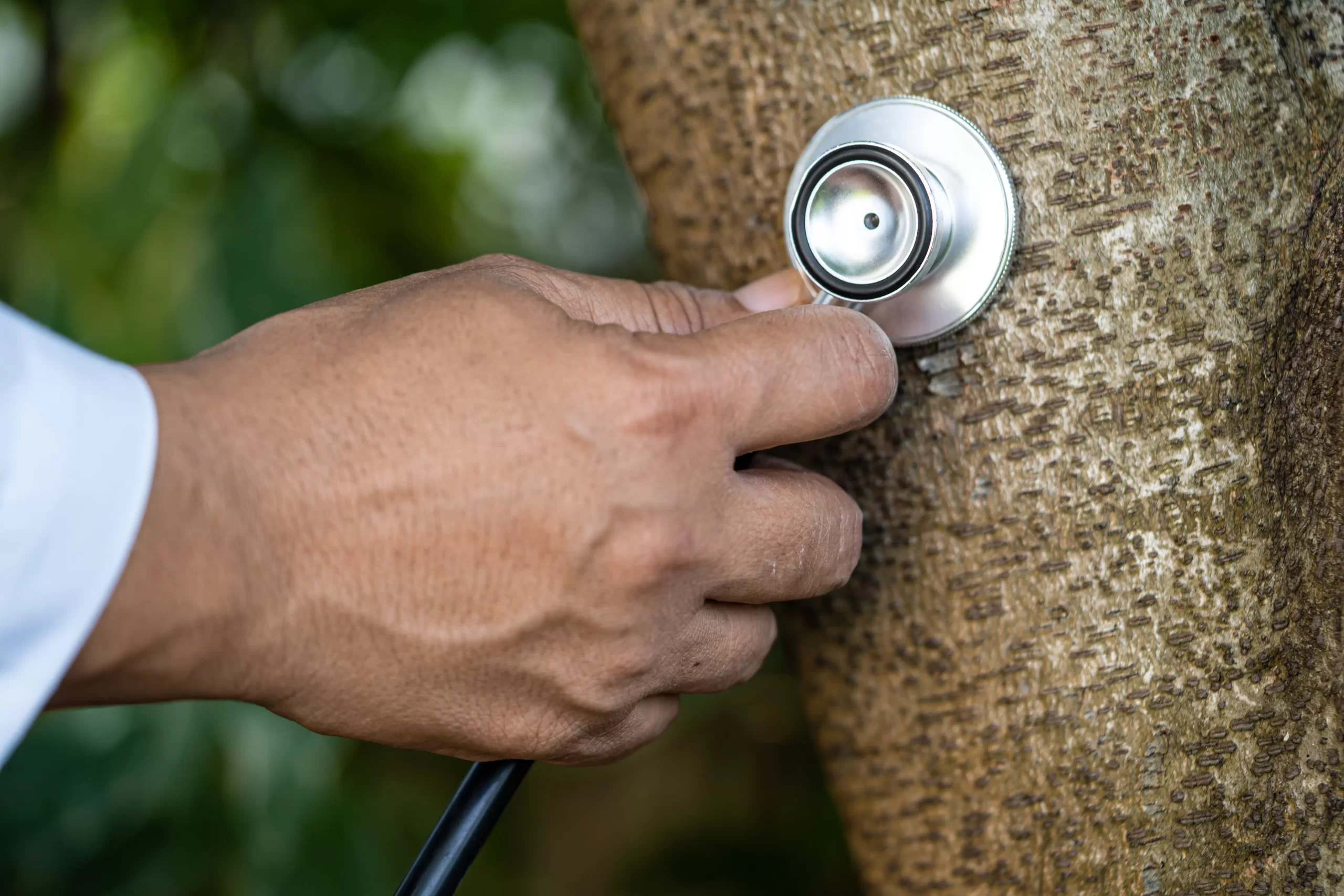
Professional evaluations focused on tree health, structure and risk.
Support long-term property health through thoughtful evaluations, environmental stress monitoring, and arborist-guided tree care.
Long-Term Tree Health & Property Stewardship
Mature trees are long-term landscape assets that contribute to shade, privacy, environmental balance, curb appeal, and overall property value. Many tree problems, however, develop gradually through years of environmental stress, soil compaction, moisture imbalance, root competition, improper planting depth, construction disturbance, or structural instability within the canopy.
At A1 Tree Pros, our arborist services focus on identifying those conditions early through structured observation, preservation-focused recommendations, and long-term stewardship planning rather than reacting only after visible decline or structural failure occurs.
Our approach combines field experience with agricultural and horticultural education through the University of Maryland College Park, helping reinforce the company’s long-term focus on environmental stress reduction, canopy preservation, and responsible landscape management.
Many homeowners also combine professional arborist evaluations with ongoing Plant Health Care services to support stronger root systems, improved canopy vitality, and long-term landscape resilience.
Environmental Stress & Structural Tree Health
Many declining trees initially appear healthy externally while slowly weakening beneath the surface. Compacted soils, restricted root zones, fungal pressure, excessive canopy density, moisture fluctuations, and construction-related disturbance often progress quietly for years before symptoms become severe enough for homeowners to notice.
Professional arborist evaluations help identify those conditions early while allowing property owners to better understand which trees are thriving, which trees may require intervention, and which trees may no longer be suitable for surrounding site conditions.
Our arborist services frequently involve evaluating mature canopy structure, identifying long-term stress patterns, monitoring insect and disease pressure, and helping homeowners prioritize preservation-focused care before unnecessary decline develops.
Many structural concerns can also be reduced through strategic Tree Pruning services designed to improve airflow, reduce end-weight stress, and support healthier long-term canopy balance.
Common Arborist Services
✱ Tree health evaluations
✱ Structural risk assessments
✱ Environmental stress monitoring
✱ Canopy decline evaluations
✱ Root zone and soil condition assessments
✱ Long-term tree preservation planning
✱ Arborist-guided pruning recommendations
✱ Tree species suitability evaluations
Common Conditions We Monitor & Treat
Maryland landscapes commonly experience a wide range of environmental stress conditions, insect pressure, and ornamental decline issues throughout the year. Our arborist services help identify those conditions while recommending thoughtful interventions when appropriate.
Unlike companies focused solely on broad chemical applications, our approach emphasizes monitoring first, environmental understanding second, and targeted treatment strategies only when meaningful long-term benefit exists for the tree or landscape.
Common Conditions We Monitor
✱ Scale insects affecting crape myrtles, magnolias, hollies, cherry laurels, and skip laurels
✱ Aphid pressure causing canopy stress, distorted foliage growth, and honeydew buildup
✱ Azalea lace bug damage leading to stippling, discoloration, and ornamental decline
✱ Bagworm infestations impacting arborvitae, juniper, cedar, and evergreen screening plants
✱ Fungal leaf spot and moisture-related canopy decline associated with poor airflow
✱ Root stress caused by compacted soils, drought conditions, grading changes, and construction activity
✱ Canopy dieback associated with prolonged environmental stress and root decline
Arborist Oversight for Mature Trees & High-Value Landscapes
Many established properties contain mature canopy trees that have developed over decades and now represent significant environmental and aesthetic value within the landscape. As trees mature, long-term structural stress, root competition, improper pruning history, restricted growing space, and changing site conditions can gradually influence overall tree health and stability.
Professional arborist oversight helps homeowners better understand how those conditions may affect long-term tree performance before visible decline, storm failure, or irreversible canopy deterioration develops. Through ongoing observation and thoughtful recommendations, many landscape issues can often be addressed proactively rather than reactively.
Our arborist services frequently support homeowners managing mature oaks, maples, tulip poplars, cherry trees, ornamental screening, and evergreen privacy buffers commonly found throughout Maryland landscapes. Evaluations may include canopy density concerns, structural branch stress, environmental decline patterns, insect pressure, root zone limitations, or overall preservation potential based on surrounding site conditions.
In many cases, proactive monitoring combined with strategic tree pruning services and preservation-focused Plant Health Care planning can help improve structural balance, reduce environmental stress, and support stronger long-term canopy resilience throughout the landscape.
Tree Preservation & Long-Term Landscape Planning
Not every declining tree should automatically be removed, and not every stressed tree requires aggressive treatment. Arboricultural care often involves understanding how each tree functions within the larger landscape while balancing safety, preservation potential, species characteristics, and surrounding environmental conditions.
Many mature properties contain trees that have experienced decades of environmental change, surrounding construction activity, shifting drainage patterns, restricted root development, or long-term competition within the landscape. Arborist evaluations help homeowners better understand those conditions while developing practical long-term care strategies.
When structural integrity or long-term viability can no longer be preserved safely, our team may also recommend strategic tree removal services focused on long-term property protection and responsible site management.
Professional Arborist Guidance for Long-Term Landscape Health
Healthy mature landscapes rarely happen accidentally. Long-term canopy health, structural stability, environmental resilience, and ornamental quality often depend on years of thoughtful oversight, proactive monitoring, and preservation-focused decision making.
At A1 Tree Pros, our arborist services are designed to help homeowners make informed, balanced, and practical decisions that support healthier trees, safer properties, and stronger long-term landscape performance throughout every season.