
Tree Maintenance
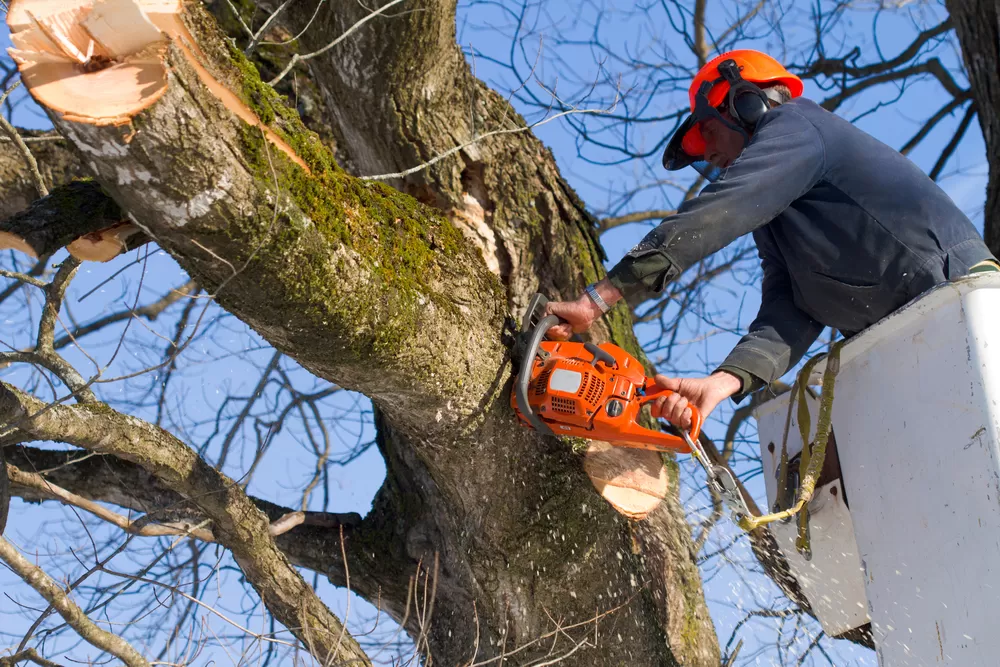
Maintain structural stability and healthy growth through proactive tree care.
Tree Trimming & Maintenance in Frederick & Potomac MD
Professional tree trimming and maintenance designed to preserve structure, improve safety, and protect long-term tree health.
At A1 Tree Pros, our trimming and maintenance services focus on proactive care rather than reactive cutting.
Proper trimming reduces stress, prevents structural defects, and keeps trees balanced as they mature. Whether maintaining residential landscapes or large properties, our approach prioritizes long-term stability and controlled growth.
What Tree Trimming Actually Accomplishes
Tree trimming is not cosmetic cutting. When performed correctly, it manages weight distribution, reduces end-weight on extended limbs, improves clearance, and supports structural integrity. Strategic trimming minimizes risk during storms while preserving the tree’s natural form.
Our trimming process evaluates branch attachment angles, canopy density, and overall tree architecture before any cuts are made. Every decision supports long-term vitality.
Ongoing Tree Maintenance Prevents Larger Problems
Routine tree maintenance allows minor issues to be corrected before they become structural failures. Removing competing leaders, correcting rubbing branches, and managing overextended growth reduces the likelihood of future breakage.
Maintenance also improves air circulation and light penetration, supporting overall plant health and reducing disease pressure.
Clearance and Safety Trimming
As trees mature, they can encroach on homes, driveways, sidewalks, and utility lines. Targeted clearance trimming restores proper spacing while maintaining the tree’s structure. We focus on selective reduction rather than aggressive topping or unnecessary removal.
Seasonal and Long-Term Care Planning
Tree trimming is most effective when performed on a structured schedule. Young trees benefit from early structural guidance, while mature trees require strategic weight management and canopy refinement.
For clients seeking proactive care, our maintenance programs provide ongoing monitoring and scheduled trimming to prevent emergency situations.
Why Professional Technique Matters
Improper trimming can create decay entry points, destabilize branch structure, and permanently damage growth patterns. Our team follows arboriculture best practices, making precise cuts that protect branch collars and preserve long-term health.
Every trimming project is performed with a focus on structural soundness, safety, and stewardship.
Tree Trimming & Maintenance in Frederick MD
Professional tree trimming and maintenance designed to improve structure, manage growth, and protect long-term tree health.
Tree trimming is one of the most important services for preserving stability and preventing future problems. At A1 Tree Pros, trimming is not treated as cosmetic cutting — it is a structured process focused on guiding growth, reducing structural stress, and maintaining safe clearance. Our approach is deliberate, measured, and based on long-term tree stewardship rather than short-term appearance.
Whether maintaining mature shade trees or shaping developing canopy growth, proper trimming reduces risk and supports healthier development over time.
Understanding the Purpose of Tree Trimming
Tree trimming serves multiple structural and biological purposes. It redistributes canopy weight, reduces end-weight on extended limbs, and corrects developing structural defects before they worsen. Strategic trimming helps prevent limb failure during storms while preserving natural form.
Rather than removing large portions of canopy at once, our process focuses on selective cuts that maintain balance. Every tree is evaluated for branch attachment strength, canopy density, leader development, and overall architecture before trimming begins.
When performed correctly, trimming strengthens the tree’s ability to withstand environmental stress.
Tree Maintenance as a Preventative Strategy
Ongoing maintenance reduces the likelihood of emergency tree work. Small structural corrections made early prevent larger structural failures later. Addressing co-dominant stems, crossing branches, and weak attachments improves long-term integrity.
Maintenance trimming also enhances light penetration and airflow throughout the canopy. This reduces excess moisture retention, lowers disease pressure, and supports overall plant health.
Properties that invest in routine tree maintenance often experience fewer storm-related failures and less unexpected damage.
Clearance Management for Homes and Properties
As trees grow, branches naturally extend toward structures, driveways, walkways, and utility lines. Targeted clearance trimming restores appropriate spacing without compromising structural integrity. We prioritize selective reduction over aggressive removal techniques.
Clearance trimming is especially important for:
- ✱ Roof and gutter protection
- ✱ Driveway and sidewalk access
- ✱ Street and sign visibility
- ✱ Utility line separation
- ✱ Maintaining safe sightlines on larger properties
Proper clearance work balances safety with preservation of canopy structure.
Structural Guidance for Young Trees
Young trees benefit significantly from early structural trimming.
.
Guiding leader development, correcting competing stems, and encouraging balanced branch distribution reduces future corrective work. Early maintenance sets the framework for decades of stability.
Without structural guidance, developing trees often form weak unions or imbalanced canopies that later require heavy reduction or removal.
Mature Tree Canopy Management
Mature trees require a different strategy. The focus shifts toward weight reduction, deadwood removal, and preserving strong attachment points. Large canopy trees benefit from periodic structural refinement to maintain balance and reduce limb stress.
Our team evaluates canopy load distribution and performs calculated reductions where needed to maintain stability while preserving natural shape.
Seasonal Timing and Growth Cycles
Timing influences trimming outcomes. Certain species respond best during dormant seasons, while others tolerate light structural adjustments during active growth. Understanding growth cycles allows trimming to support healthy recovery.
We evaluate species, condition, and environmental factors before determining optimal timing for maintenance work.
Why Proper Technique Matters
Improper trimming can create decay entry points, remove critical foliage, and permanently alter growth patterns. Flush cuts, topping, and over-thinning weaken structural integrity and increase long-term risk.
Professional trimming preserves branch collars, protects vascular tissue, and ensures cuts are placed correctly to promote natural compartmentalization. Technique determines whether trimming strengthens or harms a tree.
Tree Trimming vs. Tree Pruning
While often used interchangeably, trimming and pruning can serve different objectives. Trimming typically focuses on structural balance, growth control, and clearance management. Pruning may target health concerns, disease mitigation, or species-specific corrective measures.
Understanding the distinction allows property owners to make informed decisions about long-term tree care strategies.
Long-Term Tree Stewardship
Tree trimming is most effective when incorporated into a structured maintenance plan rather than performed reactively. Regular evaluation allows minor adjustments to prevent major structural issues.
For clients seeking proactive care, scheduled maintenance programs provide ongoing monitoring and strategic trimming before risks develop.
Frequently Asked Questions About Tree Trimming & Maintenance
How often should trees be trimmed?
Most mature trees benefit from structural trimming every 2–4 years, depending on species, growth rate, and surrounding conditions. Younger trees may require more frequent guidance to develop strong structure. A professional evaluation helps determine the appropriate maintenance cycle.
What is the difference between tree trimming and tree pruning?
Tree trimming typically focuses on managing growth, maintaining clearance, and preserving structural balance. Pruning often addresses health concerns, disease management, or corrective cuts related to structural defects. Both services support long-term tree health when performed properly.
When is the best time of year to trim trees in Maryland?
Timing depends on the species and the goal of the work. Many structural trimming projects are performed during dormant seasons, while light maintenance can occur during active growth. Proper timing helps reduce stress and supports healthy recovery.
Does trimming make a tree healthier?
When performed correctly, trimming improves air circulation, reduces structural stress, and removes weak or competing growth. Improper trimming, however, can weaken a tree. Professional technique ensures cuts support long-term vitality rather than harm it.
If your trees require structured trimming or long-term maintenance, A1 Tree Pros provides clear evaluations and practical recommendations tailored to your property.
Contact our team to schedule a professional assessment.