
Why Soil Health For Trees and Shrubs is HUGE
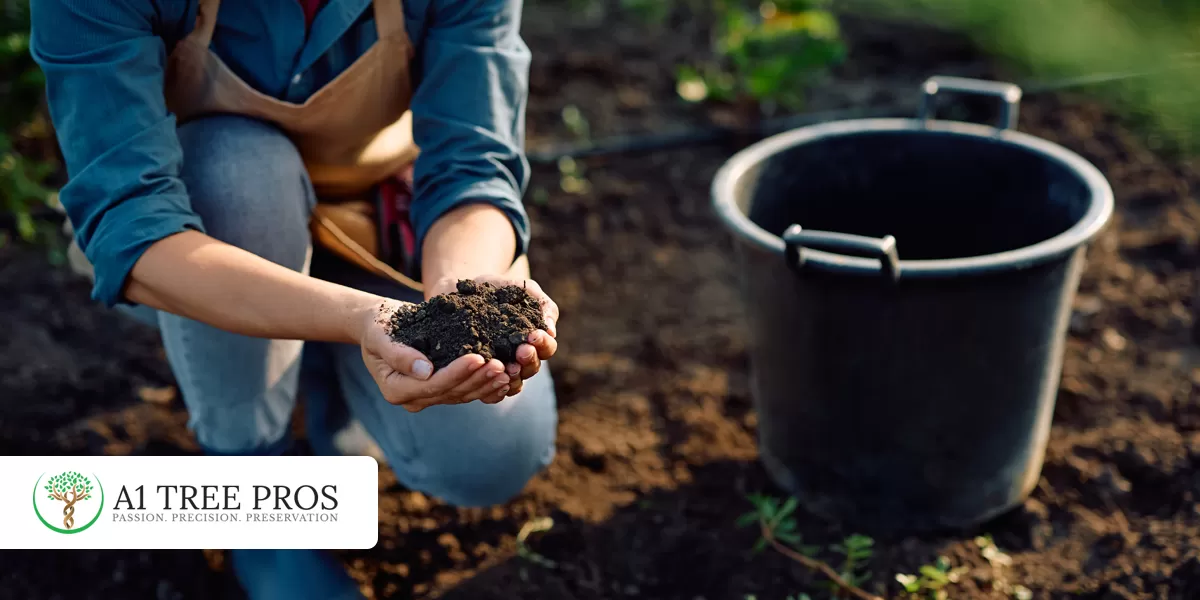
Why Soil Health For Trees and Shrubs is HUGE
Why Soil Health Is the Foundation of Tree and Shrub Health
Greetings everyone — Micayla C here with A1 Tree Pros. We are in day 3 of freezing cold! Tonights lows will be in the negatives-“SHIVER ME TIMBER”
Let’s spend some time discussing one of the most fascinating highly charged debate in the history of Mankind-SOIL
“Oh no she didn’t”…HaHa!
So, if you’re a homeowner in Frederick, Potomac, or anywhere in between, today’s topic is one of the most overlooked — yet most important — aspects of long-term landscape care.
We’re talking about soil health for trees and shrubs.
Not pruning.
Not trimming.
Not even pests.
What’s happening below the surface matters more than most people realize — and it’s usually where long-term tree problems actually begin.
Tree Problems Don’t Start in the Canopy
When homeowners notice something is wrong with a tree or shrub, the symptoms usually show up above ground first:
Thinning leaves
Poor growth
Discoloration
Branch dieback
But those are rarely the cause of the problem.
In most cases, they’re the result of stress that’s been building underground for years. Roots struggle long before leaves tell the story.
This is why soil health for trees and shrubs is the foundation of effective Plant Health Care. Without healthy soil, even the best-looking tree will eventually decline.
Why Soil Matters More Than You Think
Soil isn’t just dirt. It’s a living system.
Oxygen to roots
Proper drainage
Nutrient availability
Space for root growth
Beneficial microorganisms
When soil conditions deteriorate, trees don’t fail immediately — they compensate. They slow growth. They shed weaker branches. They prioritize survival over structure.
That quiet adaptation is why problems often feel “sudden” years later.
Soil Challenges in Frederick and Potomac
Frederick and Potomac homeowners face unique soil challenges that make proactive care especially important.
Common issues we see include:
Heavy clay soils
Compaction from construction
Rocky subsoil
Poor drainage
Grade changes around established trees
New developments and constant construction often compress soil, limiting oxygen and water movement. Even mature trees that once thrived can begin declining when their root environment changes.
Improving soil health for trees and shrubs helps trees adapt to these changes instead of slowly failing because of them.
Compacted Soil: A Silent Stressor
Compaction is one of the biggest contributors to tree decline in our area.
When soil becomes compacted:
Roots struggle to expand
Oxygen exchange is reduced
Water pools instead of soaking in
Nutrients become unavailable
From the surface, everything may look fine — until it doesn’t.
Many homeowners are surprised to learn that their tree problems didn’t start with drought or disease, but with compacted soil years earlier.
Nutrients vs. Availability
Another misconception we hear often is:
“We fertilize, so the tree should be fine.”
Here’s the reality: nutrients can be present in the soil and still unavailable to the tree.
Poor soil structure, incorrect pH levels, and lack of biological activity can prevent roots from absorbing what they need. That’s why fertilization alone doesn’t fix most long-term issues.
True soil health for trees and shrubs focuses on creating conditions where nutrients can actually be used — not just added.
Root Health Is Tree Health
Roots are responsible for:
Anchoring the tree
Absorbing water
Taking in nutrients
Communicating stress signals
When roots are stressed, everything above ground suffers eventually.
Root problems often come from:
Soil compaction
Overwatering or poor drainage
Excess mulch piled against the trunk
Once root function declines, trees become less resilient to storms, pests, and seasonal stress.
How Plant Health Care Addresses Soil Issues
Plant Health Care doesn’t treat soil problems with a one-size-fits-all solution.
A proper PHC approach may include:
Soil testing to identify imbalances
Aeration to relieve compaction
Organic amendments to improve structure
Root-zone treatments
Ongoing monitoring
The goal isn’t perfection — it’s functionality.
Supporting soil health for trees and shrubs allows trees to respond better to pruning, weather extremes, and normal aging.
Why Soil-Based Care Prevents Bigger Problems
Most emergency tree calls we receive didn’t begin as emergencies.
They began as:
Restricted roots
Gradual stress
Poor soil conditions
Ignored early warning signs
By the time a tree becomes a safety concern, soil issues have often been present for years.
Early soil-focused care helps homeowners:
Extend tree lifespan
Reduce long-term costs
Make calmer, more informed decisions
That’s why proactive care almost always costs less than reactive work.
Soil Health Is Long-Term, Not One-Time
One important thing to understand is that soil health for trees and shrubs isn’t a one-and-done service.
Soil conditions change with:
Weather patterns
Construction activity
Seasonal stress
Tree maturity
Plant Health Care works best when it’s approached as a long-term strategy, not a quick fix.
That doesn’t mean constant treatments — it means consistent awareness and adjustment over time.
Consistent Tree Maintenance ensures soil remains healthy, roots stay strong, and trees adapt to seasonal stress.
Final Thoughts
Trees are just like us in this sense. They don’t fail overnight. They decline quietly, often underground, long before visible symptoms appear. By focusing on soil health for trees and shrubs, homeowners in Frederick and Potomac gain control over outcomes rather than reacting to problems after they escalate, which is what plant health care actually covers.
Healthy soil supports:
Strong roots
Stable structure
Better response to pruning
Long-term resilience
When the foundation is healthy, everything above it benefits.
Please don’t set an alarm or cancel plans — the last thing we’d want is for anyone losing sleep in anticipation of our next PHC article. When it arrives, we’ll unpack how root-zone stress shows up in unexpected ways and why early action matters more than most homeowners realize.
Here’s to Health & Hugs to Trees & Shrubs. CHEERS!!