
Why Spring Tree Stress is More Common Than You Think
Why Spring Tree Stress is More Common Than You Think
Happy POLAR TUESDAY good people! This is Micayla C here with A1 Tree Pros. Spring tree stress is a real thing. We all love spring (especially now with sub zero temps outside our window.
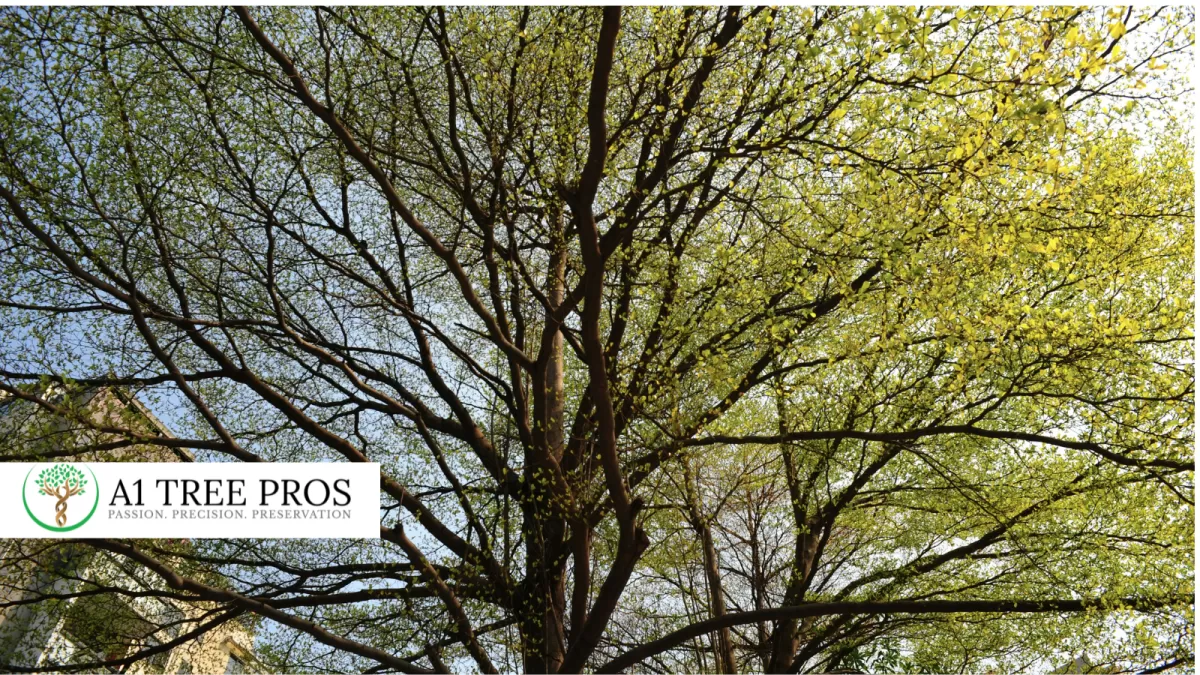
The sounds and smells of spring are quite literally ‘a breath of fresh air! It’s when trees and shrubs look their healthiest — fresh growth, full canopies, and rapid leaf expansion. Lawns green up, buds break, and landscapes suddenly feel alive again. To most homeowners, this visible growth is a sign that plants are thriving.
But what many people don’t realize is that spring growth can be one of the most stressful periods of the year for trees and shrubs, especially when underlying root health and soil conditions aren’t strong.
In many cases, the growth you see in spring isn’t a sign of recovery — it’s a drawdown.
Spring Growth Runs on Stored Energy
When trees and shrubs break dormancy, they aren’t immediately “feeding” themselves the way many people assume. Early spring growth is powered largely by stored carbohydrates and nutrients that were stockpiled during the previous growing season.
Roots, trunks, and woody tissue act like a savings account. Leaves don’t begin contributing meaningful energy until they’ve fully expanded and started photosynthesizing consistently.
If a tree entered winter already stressed — from drought, compacted soil, construction damage, or nutrient imbalance — that spring growth comes at a cost. Instead of rebuilding strength, the plant may be spending its last reserves just to keep up appearances.
This is why trees and shrubs can look great in April and May, only to struggle by midsummer.
Compacted and Saturated Soils Limit Root Function
In the DC suburbs, spring conditions often work against healthy root activity.
Heavy winter equipment, foot traffic, snow piles, and repeated freeze–thaw cycles can leave soils compacted by the time spring arrives. At the same time, spring rainfall frequently saturates the ground.
Roots need oxygen just as much as they need water. When soils are compacted or waterlogged, oxygen exchange is limited, slowing root growth and nutrient uptake at the exact moment plants are demanding more resources.
Above ground, growth continues. Below ground, the system is struggling to keep up.
This mismatch between canopy demand and root performance is one of the most common causes of spring tree stress in otherwise mature, established landscapes.
Temperature Swings Add Another Layer of Stress
Spring in the DC region is rarely consistent. Warm spells are often followed by late frosts, cold rain, or sudden temperature drops. These swings can interrupt normal physiological processes inside trees and shrubs.
Early warm weather encourages rapid growth. A sudden cold snap can damage tender new tissue, forcing the plant to redirect energy toward repair instead of development.
Each of these interruptions chips away at stored energy reserves. Over time, the plant becomes less resilient — even though it may still look “full” from a distance.
Nutrient Uptake Doesn’t Always Match Growth Speed
Another common misconception is that spring fertilizer automatically fuels healthy growth. In reality, nutrient uptake depends on:
-
Soil temperature
-
Root health
-
Microbial activity
-
Soil structure
Cool or compacted soils slow nutrient availability, even when nutrients are present. In those conditions, rapid top growth can outpace what roots are able to supply.
The result is growth that looks vigorous but is structurally weaker, less dense, and more vulnerable to environmental stress later in the season.
This is especially true for shrubs and ornamental trees that are pruned heavily in late winter, triggering an aggressive spring response.
Why Problems Often Show Up Later
By early summer, many trees and shrubs have already spent a large portion of their stored energy. If root systems haven’t caught up — or if environmental stress continues — symptoms begin to appear:
-
Thinning canopies
-
Smaller leaves
-
Early leaf drop
-
Dieback at branch tips
-
Increased pest or disease pressure
To homeowners, these problems feel sudden. In reality, the decline began months earlier.
Spring growth didn’t cause the problem — it revealed underlying weakness.
The Role of Stress in Pest and Disease Pressure
Many insects and diseases blamed for decline are actually secondary issues. They take advantage of plants that are already under stress.
A tree that has burned through its reserves in spring is less able to defend itself later. Natural defense mechanisms weaken, making it easier for opportunistic pests or pathogens to gain a foothold.
This is why treating symptoms alone often leads to repeated interventions without long-term improvement. Without addressing the underlying stress, the cycle continues.
Why Monitoring Matters More Than Reaction
One of the biggest mistakes homeowners and property managers make is waiting for visible symptoms before acting. By the time canopy decline is noticeable, the tree or shrub has often been under stress for an extended period.
Monitoring plant health through seasonal transitions allows issues to be identified earlier — when adjustments to soil conditions, root health, or care practices can still change outcomes.
Spring is not the time to assume everything is fine. It’s the time to pay closer attention.
Strengthening Trees Before They Need Help
Healthy spring growth should be supported, not assumed.
Reducing stress early — through proper soil management, root-zone care, and thoughtful pruning — gives trees and shrubs a better chance to rebuild strength instead of simply spending what they have left.
This approach doesn’t eliminate stress entirely. It manages it, so plants can adapt instead of decline.
Looking Ahead
Spring growth is only the beginning of the growing season. How trees and shrubs respond during this period often determines how they’ll handle summer heat, drought, storms, and fall recovery.
Understanding Spring tree stress behind spring growth is the first step toward preventing problems that don’t show up until much later — when options are fewer and outcomes are harder to change. Our role is to help pinpoint these indicators. This is single-handedly the most effective way to fight against and ultimately mitigate issues.
In the next article in this series, we’ll take a closer look at how summer heat and moisture stress compound these early-season challenges, and why mid-summer decline is rarely a surprise to those who know what to look for. Stay warm and keep the fire burning! Here’s to Health & Hugs to Trees & Shrubs! This is Micayla C signing off!