
How Seasonal Stress on Trees and Shrubs Quietly Impact the DC Suburbs
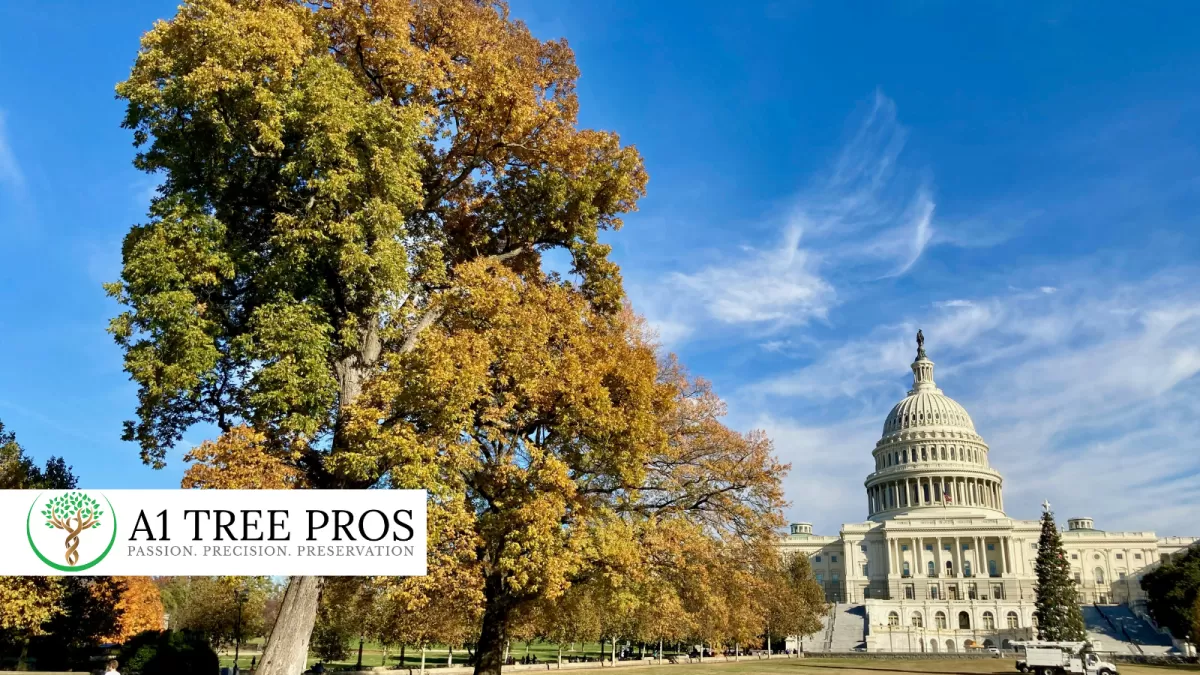
How Seasonal Stress on Trees and Shrubs Quietly Impact the DC Suburbs
How Seasonal Stress Quietly Impact Trees and Shrubs in the DC Suburbs
Good Afternoon. This is Micalya C from A1 Tree Pros broadcasting live for another Wintery Wednesday extravaganza! So, without further ado, let’s get this fiesta started!!
Most people are surprised to learn that trees don’t experience the year the way people do. They don’t reset with the calendar or “bounce back” just because spring arrives.
Instead, it’s a pile-on where each season stacks onto the last, leaving behind stress that quietly accumulates over time.
This is why seasonal stress on trees and shrubs is one of the most underestimated factors in long-term decline — especially in areas where weather patterns swing hard from one extreme to the next.
Seasonal Stress Is Cumulative, Not Isolated
Many homeowners think in seasons:
Winter is over
Summer heat passed
Fall brought relief
But trees experience those seasons as one continuous cycle, not separate events.
Cold snaps, heat waves, drought, heavy rain, and late frosts don’t cancel each other out. They compound. Each stressful season weakens recovery potential for the next one.
This sequence is like the straw that breaks the camel’s back and precisely what makes seasonal stress on trees and shrubs so damaging over time.
Why Our Region Amplifies Seasonal Stress
Frederick and Potomac sit in a zone where trees are asked to tolerate everything:
Freezing winter temperatures
Rapid warm-ups and late frosts
Hot, humid summers
Periods of drought followed by heavy rain
Increasing weather volatility year over year
- Non Stop Development and New Construction
Trees that once adapted comfortably to predictable seasons now face erratic patterns that disrupt normal growth cycles.
What looks like “bad luck” is often a predictable stress response.
Consistent Tree Maintenance ensures trees remain resilient to seasonal stress and environmental changes.
Trees Don’t Always Recover Between Seasons
A healthy tree uses dormant periods to repair internal systems, rebuild energy reserves, and prepare for new growth. But when stress is too frequent — or recovery windows are too short — that reset cycle never fully happens.
Signs of incomplete recovery often include:
Smaller leaves year after year
Delayed or uneven leafing
Thinning canopies
Reduced growth response
Increased sensitivity to pruning or storms
These aren’t random issues. They’re classic indicators of seasonal stress on trees and shrubs taking its toll.
Why Stress Shows Up Later Than Expected
One of the most confusing things for homeowners is timing.
A tree may look fine during the stressful season itself — only to struggle months later. That’s because trees prioritize survival first and structure second.
They delay visible symptoms as long as possible.
By the time problems surface, the original stress event may be long forgotten — which makes diagnosis harder and reaction more urgent.
Seasonal Stress Weakens Natural Defenses
Trees under repeated seasonal pressure become less efficient at:
Compartmentalizing damage
Producing defensive compounds
Responding to insects or disease
Recovering from routine maintenance
This is why pest and disease issues often follow extreme seasons. They aren’t random — they exploit vulnerability created by stress.
Understanding seasonal stress on trees and shrubs helps explain why issues tend to appear in clusters rather than isolation.
How Plant Health Care Buffers Seasonal Stress
Plant Health Care focuses on increasing resilience — not eliminating stress (which is impossible).
A strong PHC strategy may involve:
Improving soil structure for better root recovery
Supporting nutrient uptake during stress cycles
Monitoring response patterns season to season
Adjusting care based on weather trends, not the calendar
When trees are supported properly, they tolerate seasonal extremes far better — and recover faster when conditions normalize.
Prevention Isn’t About Over-Treating
One of the biggest misconceptions about PHC is that it means constant intervention.
In reality, prevention means:
Knowing when not to act
Recognizing early stress patterns
Often the best recommendation is simply observation — but informed observation.
Why Seasonal Awareness Changes Outcomes
Most emergency tree situations trace back to unmanaged seasonal stress:
Heat followed by drought
Saturated soil after storms
Cold injury paired with poor recovery
When homeowners understand how stress builds across seasons, decisions become calmer, cheaper, and more strategic.
That awareness is the real value of PHC.
Final Thoughts
Trees don’t fail because of one bad season. They fail because of what happens when stressful seasons stack (and stack…and stack…and stack) without enough recovery in between.
Recognizing seasonal stress on trees and shrubs allows homeowners to step in early — before stress turns into decline, and before decline turns into risk.
In places like Frederick and Potomac, where weather extremes are becoming the norm, or new construction is popping up every other day, awareness is no longer optional anymore — it’s essential.
But the secret is to look at this all as a positive. Its gives us all a chance to pay better attention to our yard and landscape! Thanks for reading and here’s to Health & Hugs to Trees & Shrubs!!!