
Why Monitoring Tree Health Over Time Prevents Decline
Why Monitoring Tree Health Over Time Prevents Decline
Happy Frigid Friday everyone! So much for this being a mild winter.
Doesn’t winter have a funny way of messing with our memory?
Trees get treated the same way.
A visible change shows up — thinning leaves, slower growth, branch dieback — and it feels sudden. Like something just went wrong. In reality, that moment is usually the result of stress that’s been building quietly for a long time.
That’s why monitoring tree & shrub health over time matters way (WAY) more than reacting to what we see in a single season.
Trees Don’t Speak in Snapshots
Most decisions about tree care are made based on snapshots:
What the tree looks like right now
What happened this season
What changed most recently
The problem is that trees don’t operate in snapshots.
They operate in patterns.
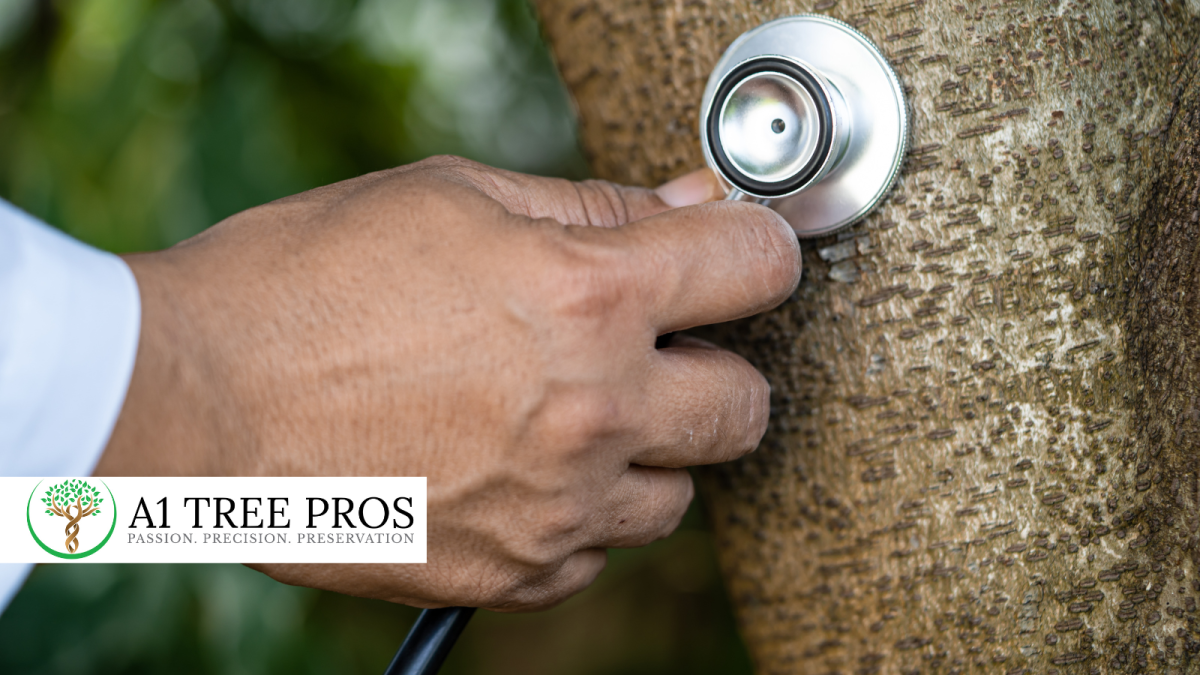
Growth, recovery, stress, and decline happen slowly. When we only look at trees once they “look bad,” we miss the gradual changes that explain why the problem started. This is the case for structured plant health care, as consistent monitoring helps identify changes early and provides the support trees need before stress turns into decline. Monitoring tree health means paying attention to how a tree changes year after year, not just how it looks in one moment.
Single Weather Events Get Too Much Credit (or Blame)
When decline becomes visible, the instinct is to blame the most recent event:
A dry summer
A cold winter
A major storm
Nearby construction
Sometimes those events contribute. Often, they’re just the final stress on a system that was already strained.
Without a history to reference, it’s easy to assume the last thing that happened caused the problem. Monitoring tree health provides context. It allows patterns to emerge instead of guessing at causes.
Instead of asking “What happened?” the question becomes “When did this start?”
What REAL Monitoring Actually Looks Like
Monitoring doesn’t mean constant treatments or intervention overkill. It is not about hovering over trees waiting for something to go wrong.
The key to effective monitoring revolves around consistency and comparison: Questions like:
How does this year’s growth compare to last year’s?
Are leaves gradually getting smaller or thinner?
Is canopy density changing slowly over time?
Does the tree in question recover from pruning or weather at the same pace it used to?
Changes in tree and shrub growth are sneaky subtle. But that’s exactly why they’re valuable.
Most serious decline begins quietly, long before it becomes obvious.
A Simple Example of Why Timing Matters
For Example: Let’s take two trees planted at the same time.
Tree A is only looked at when something seems wrong
MEANWHILE
Tree B is observed consistently over several seasons.
Tree A appears “fine” for years — until it suddenly isn’t. It’s because by the time symptoms appear, root function is compromised and energy reserves are depleted.
Tree B shows small changes early: slightly reduced growth, slower recovery, minor canopy thinning. Nothing dramatic — but enough to tell a story.
Tree B gets support early. Tree A gets attention late.
The difference in outcome has very little to do with luck and everything to do with timing.
Why Monitoring Feels Boring — and Why That’s a Good Thing
Monitoring tree health isn’t dramatic. There’s no emergency moment when it’s done correctly.
And that’s a good thing.
Trees that are monitored consistently tend to:
Experience fewer sudden declines
Require fewer reactive treatments
Maintain stronger root systems
Recover more efficiently from stress
The work happens quietly, before stress compounds. By the time something would have become obvious, it’s already been addressed.
Reactive Care vs. Preventative Care
Reactive care focuses on symptoms:
Leaf drop
Thinning canopies
Preventative care focuses on stability:
Root function
Energy balance
When care is based on monitoring, decisions are informed by trends instead of urgency. Treatments are applied with intention, not panic.
This is why reactive care often feels inconsistent — and why monitored trees tend to feel more predictable over time.
Healthy Trees Aren’t Perfect — They’re Predictable
Healthy trees still experience stress. Weather changes. Soil conditions shift. Construction happens.
The difference is predictability.
When trees are monitored over time, changes don’t feel sudden or alarming. They’re understood as part of a longer pattern, which makes them easier to manage and far less disruptive.
Predictability is one of the clearest signs of long-term tree health.
Why Monitoring Changes the Entire Relationship
Monitoring shifts tree care from reaction to stewardship.
It replaces:
Surprise with awareness
Guesswork with understanding
Urgency with intention
Instead of waiting for decline, monitoring allows care to happen while trees still have the capacity to respond.
Looking Ahead
Tree health doesn’t improve by reacting faster — it improves by noticing earlier.
Monitoring tree health over time allows stress to be addressed before it compounds, when trees are still capable of recovery. It’s what turns tree care from emergency response into long-term stability.
A Note from Me
— Micayla
The analogy of Winter makes this idea easier to understand. One cold day doesn’t define the season but rather the stretch of weeks that tells the real story.
Trees & Shrubs work the same way. When we stop reacting to individual moments and start paying attention to patterns, caring for them becomes calmer, more effective, and a lot less stressful. Thanks for stopping by and please be safe this weekend. It looks like dangerously nasty cold one! Here’s to Health & Hugs to Tress & Shrubs!