Need Expert Tree Care in Frederick, MD?
Call Us Today at

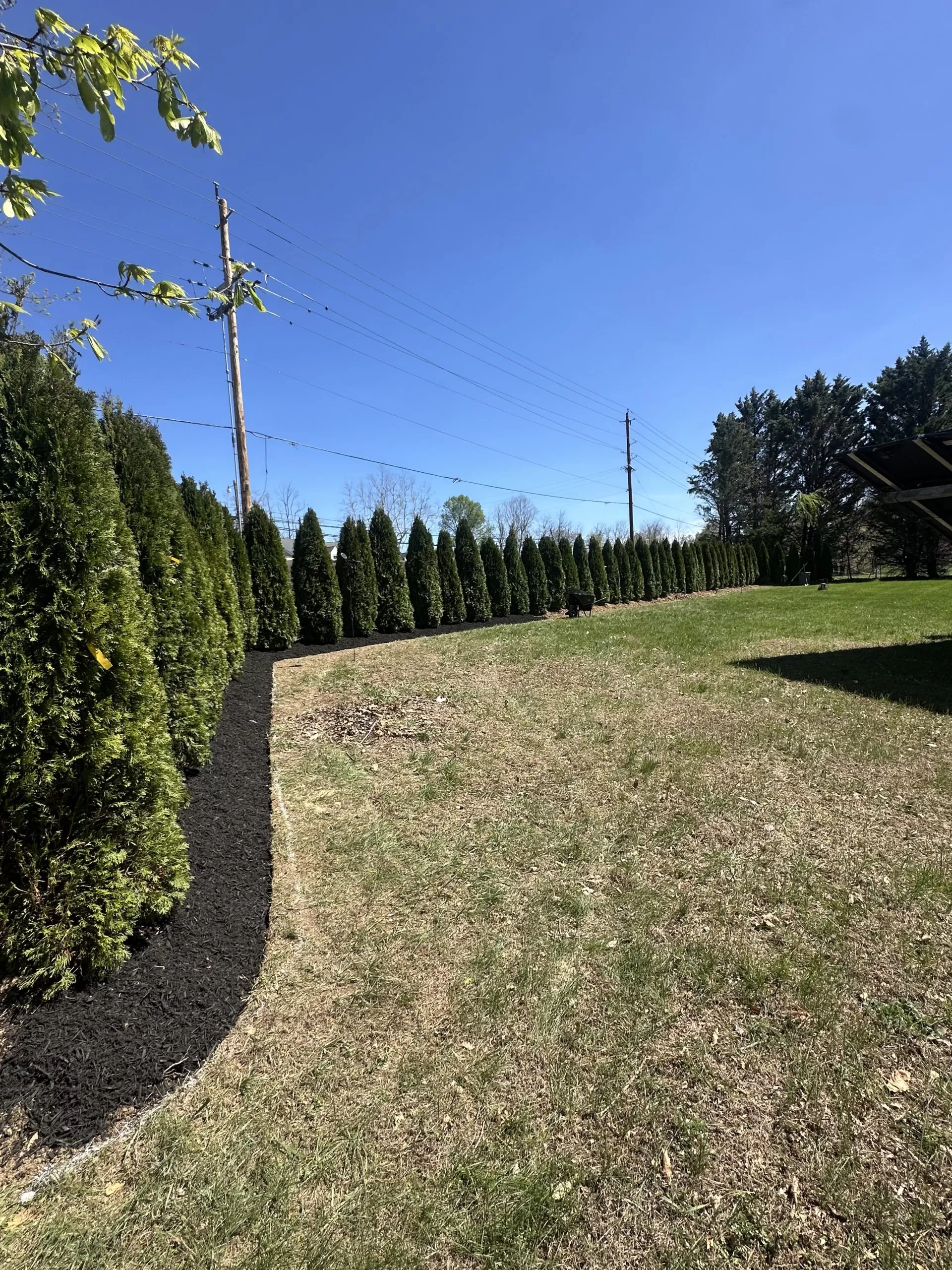
Professional tree preservation services designed to protect mature landscapes through monitoring, environmental stewardship, and thoughtful arboricultural guidance.
Tree preservation is rarely about a single treatment or one-time service. Long-term canopy stability is usually the result of environmental balance, root protection, proper structural management, and consistent stewardship over time.
Many mature trees decline gradually through years of accumulated stress rather than one isolated event. Soil compaction, root disturbance, changing drainage patterns, overcrowding, construction activity, drought conditions, and environmental pressure can slowly weaken otherwise valuable trees until visible decline begins appearing throughout the canopy.
At A1 Tree Pros, our preservation philosophy is centered around helping property owners better understand how trees respond to stress over time and what conditions are necessary to support long-term landscape performance.
Rather than viewing every tree issue as an immediate removal situation, we focus on identifying whether meaningful preservation opportunities still exist and how environmental conditions may be affecting long-term viability.
Many landscapes contain trees operating under chronic stress long before major symptoms become obvious. Subtle canopy thinning, slowed seasonal growth, premature leaf drop, sparse foliage density, and deadwood accumulation are often indicators that the tree is struggling beneath the surface.
Environmental decline is frequently tied to long-term site conditions such as:
✱ Soil compaction restricting root expansion
✱ Root disturbance from construction activity
✱ Moisture imbalance and drought stress
✱ Grade changes affecting oxygen availability
✱ Overcrowded canopy competition
✱ Heat reflection from hardscapes and structures
✱ Repeated mechanical damage near the root flare
✱ Nutrient depletion within aging landscapes
Many trees can tolerate moderate stress for years before reaching a tipping point where decline begins accelerating more aggressively. Once severe canopy dieback or structural deterioration develops, preservation options often become far more limited.
Our goal is helping property owners identify these stress patterns earlier while preservation strategies remain more realistic and effective.
Every property presents a different combination of environmental conditions, species characteristics, structural concerns, and long-term landscape goals. Preservation decisions should always begin with careful evaluation rather than assumptions based solely on appearance.
Some trees showing visible decline may still have meaningful recovery potential when underlying stress factors are corrected. Others may continue deteriorating despite intervention due to structural instability, advanced root decline, or environmental limitations that can no longer be realistically improved.
Our preservation evaluations commonly focus on:
✱ Overall canopy density and vigor
✱ Structural integrity and branch attachment strength
✱ Root-zone conditions and soil health
✱ Signs of fungal decline or decay progression
✱ Insect pressure including aphids and scale insects
✱ Bagworm activity on evergreen material
✱ Environmental stress surrounding the planting site
✱ Long-term sustainability within the landscape
Preservation is ultimately about understanding whether the tree still has the ability to remain structurally and environmentally functional over time.
Over-treatment can sometimes create additional stress within already struggling landscapes. Our approach focuses on thoughtful intervention strategies designed to reduce environmental pressure while supporting natural recovery wherever possible.
Depending on site conditions, preservation efforts may involve:
✱ Structural pruning to reduce canopy stress
✱ Selective deadwood removal for safety and health
✱ Root-zone protection recommendations
✱ Soil conditioning and nutritional support
✱ Mulching guidance for moisture stabilization
✱ Monitoring for fungal progression and canopy decline
✱ Environmental corrections to reduce long-term stress
✱ Preservation planning for mature ornamental trees
Not every tree requires aggressive intervention. In many situations, preserving long-term stability involves improving the surrounding environment while avoiding unnecessary disturbance.
Our Plant Health Care in Ijamsville MD page provides additional information regarding environmental monitoring, insect pressure, and long-term canopy support strategies.
Mature trees often contribute significantly to the overall character, shade value, environmental performance, and visual stability of a property. Well-established canopies can take decades to replace once lost.
Preservation planning becomes especially important for properties where landscape maturity plays a major role in privacy, aesthetics, temperature moderation, stormwater management, and long-term property identity.
Many property owners initially focus only on visible canopy appearance while overlooking the environmental conditions affecting long-term survival beneath the soil surface. Protecting mature trees often requires a broader understanding of how the surrounding landscape ecosystem functions together over time.
Preservation strategies are frequently most effective when integrated with proper pruning, environmental monitoring, and ongoing stewardship rather than isolated one-time corrections.
Both residential and commercial landscapes face increasing environmental pressure as properties age and development density increases. Trees growing near buildings, parking areas, sidewalks, utilities, and heavily trafficked spaces often operate within highly restricted rooting environments.
Commercial campuses, HOA communities, and institutional properties may also experience:
✱ Compacted soils from pedestrian traffic
✱ Irrigation inconsistency across large sites
✱ Heat stress from expansive hardscapes
✱ Drainage limitations and runoff concentration
✱ Repetitive visibility pruning near infrastructure
✱ Declining ornamental plant material near entrances
Without proactive preservation planning, these environmental pressures can slowly reduce canopy quality and increase long-term replacement costs across the property.
Our preservation philosophy focuses on helping landscapes remain healthier, safer, and more structurally stable for as long as meaningful viability remains achievable.
Not every tree can or should be preserved indefinitely. Some trees eventually reach a stage where structural instability, advanced decay, severe root failure, or environmental limitations make long-term preservation unrealistic.
One of the most important aspects of professional preservation planning is recognizing the difference between a tree operating under manageable stress versus a tree entering irreversible decline.
In certain situations, strategic removal may ultimately provide better long-term outcomes for the surrounding landscape and overall property safety.
Additional information regarding structural risk reduction and removal planning can be found on our Tree Removal in Ijamsville MD page.
A1 Tree Pros approaches tree preservation through the lens of stewardship, environmental awareness, and long-term landscape thinking rather than reactive short-term decision making.
Property owners often choose our approach because we focus on:
✱ Long-term canopy stability
✱ Environmental stress reduction strategies
✱ Preservation-focused arboricultural guidance
✱ Calm and professional evaluations
✱ Structural integrity and long-term viability
✱ Monitoring before unnecessary intervention
✱ Protecting mature landscape investments
✱ Thoughtful preservation planning over time
Healthy landscapes typically perform best when preservation, monitoring, and environmental stability remain the long-term priority.